
Decoding the Myths Around Smart Glass Technology


Understanding Smart Glass Technology
Smart glass technology is transforming the way we interact with our environments, offering innovative solutions in various sectors. Despite its growing popularity, several myths and misconceptions still surround this cutting-edge technology. Let's dive into some of these myths and uncover the truth behind smart glass.
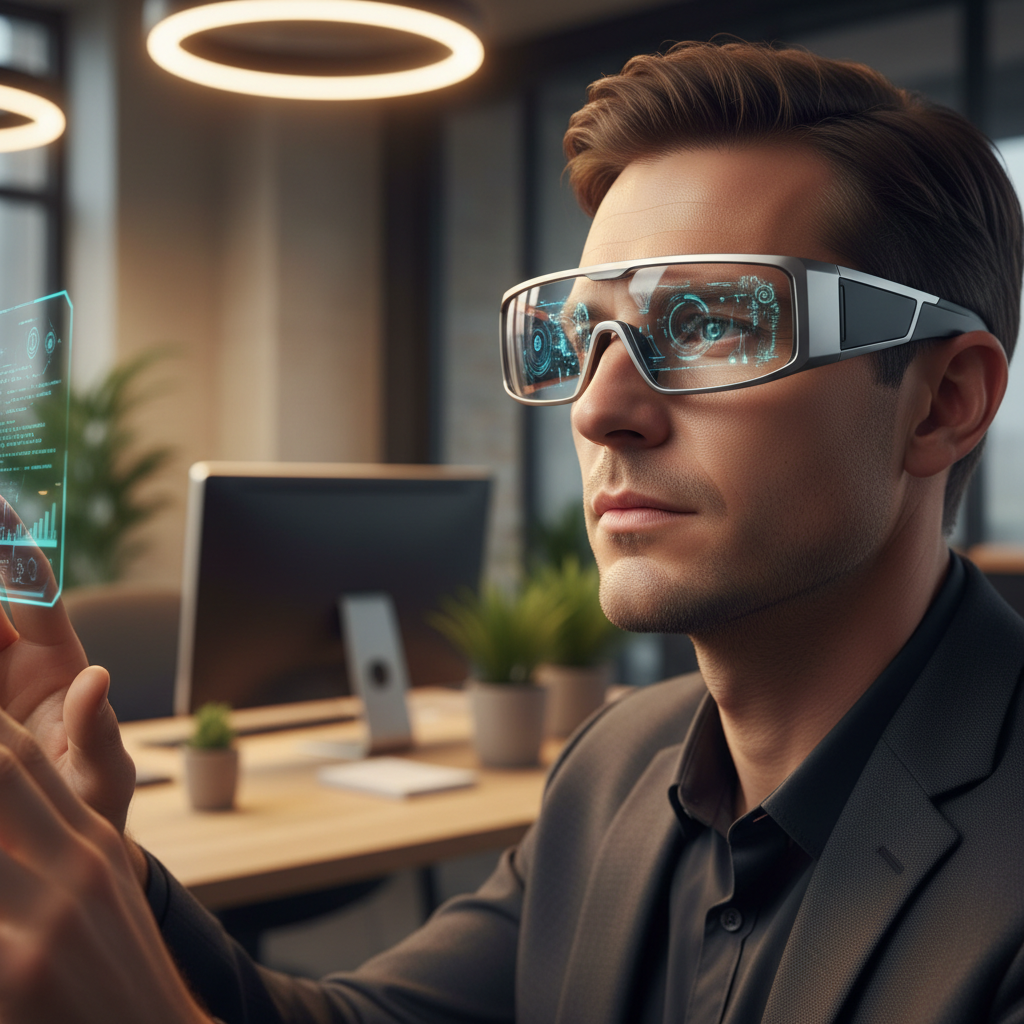
Myth 1: Smart Glass Is Too Expensive
One common belief is that smart glass technology is prohibitively expensive. While it's true that the initial cost can be higher than traditional glass, the long-term benefits often outweigh the price. Smart glass can reduce energy bills by controlling light and heat, which can lead to significant savings over time.
Moreover, advancements in manufacturing have made smart glass more accessible. As the technology continues to evolve, costs are expected to decrease further, making it a viable option for both commercial and residential applications.
Myth 2: Smart Glass Is Only for High-Tech Buildings
Another misconception is that smart glass is only suitable for high-tech or futuristic buildings. In reality, smart glass can be integrated into a wide range of architectural styles, from traditional homes to modern skyscrapers. Its versatility allows for seamless integration with various design aesthetics.

Smart glass can enhance privacy, improve energy efficiency, and add a touch of luxury to any space, making it an attractive choice for diverse projects.
Myth 3: Smart Glass Is Not Durable
Concerns about the durability of smart glass are common, but largely unfounded. Smart glass is designed to withstand environmental stresses, including temperature changes, UV exposure, and physical impact. Many smart glass products undergo rigorous testing to ensure they meet industry standards for durability and longevity.
In fact, many users find that smart glass can be more resilient than traditional glass, providing a long-lasting solution for both interior and exterior applications.

Myth 4: Smart Glass Is Complex to Operate
The idea that smart glass is complicated to use is another myth that needs debunking. Most smart glass systems are designed with user-friendliness in mind. They often come with simple controls, such as remote controls or smartphone apps, making it easy to adjust settings.
- Integrated apps for seamless operation
- Voice-activated controls available in many models
- Automated settings for optimal performance
Embracing the Future of Smart Glass
As we decode these myths, it becomes clear that smart glass technology offers numerous benefits and opportunities. From enhancing energy efficiency to providing aesthetic flexibility, smart glass is poised to play a crucial role in the future of design and architecture.
By understanding the realities of smart glass, we can better appreciate its potential and embrace its integration into our everyday environments.