
Top Trends in Smart Glass Technology: Innovations for Modern Living


Introduction to Smart Glass Technology
Smart glass technology has been revolutionizing the way we interact with our environments. From homes to offices, this innovative technology offers a seamless blend of style and functionality. As we continue to explore its potential, smart glass is proving to be a key player in modern living.

Energy Efficiency and Sustainability
One of the most significant advantages of smart glass is its contribution to energy efficiency. By automatically adjusting to light conditions, smart glass reduces the need for artificial lighting and helps maintain optimal indoor temperatures. This not only lowers energy consumption but also supports sustainable living practices.
Moreover, smart glass can significantly lower heating and cooling costs by acting as an insulating barrier. This makes it a popular choice for eco-conscious homeowners and businesses aiming to reduce their carbon footprint.
Types of Smart Glass
There are several types of smart glass available, each with unique features:
- Electrochromic Glass: This type changes opacity when an electrical charge is applied, allowing users to control the amount of light and heat that passes through.
- Photochromic Glass: Reacts to sunlight, darkening when exposed to UV rays and returning to a clear state when the light diminishes.
- Thermochromic Glass: Adjusts its tint in response to temperature changes.

Applications in Modern Architecture
Smart glass is making waves in modern architecture by offering innovative solutions for both residential and commercial buildings. Architects are leveraging this technology to create dynamic spaces that adapt to occupants' needs. With the ability to switch from transparent to opaque, smart glass provides privacy without sacrificing natural light.
In commercial settings, smart glass is used in conference rooms and office partitions, offering flexibility and enhancing the aesthetic appeal of the workplace.
Smart Glass in Home Automation
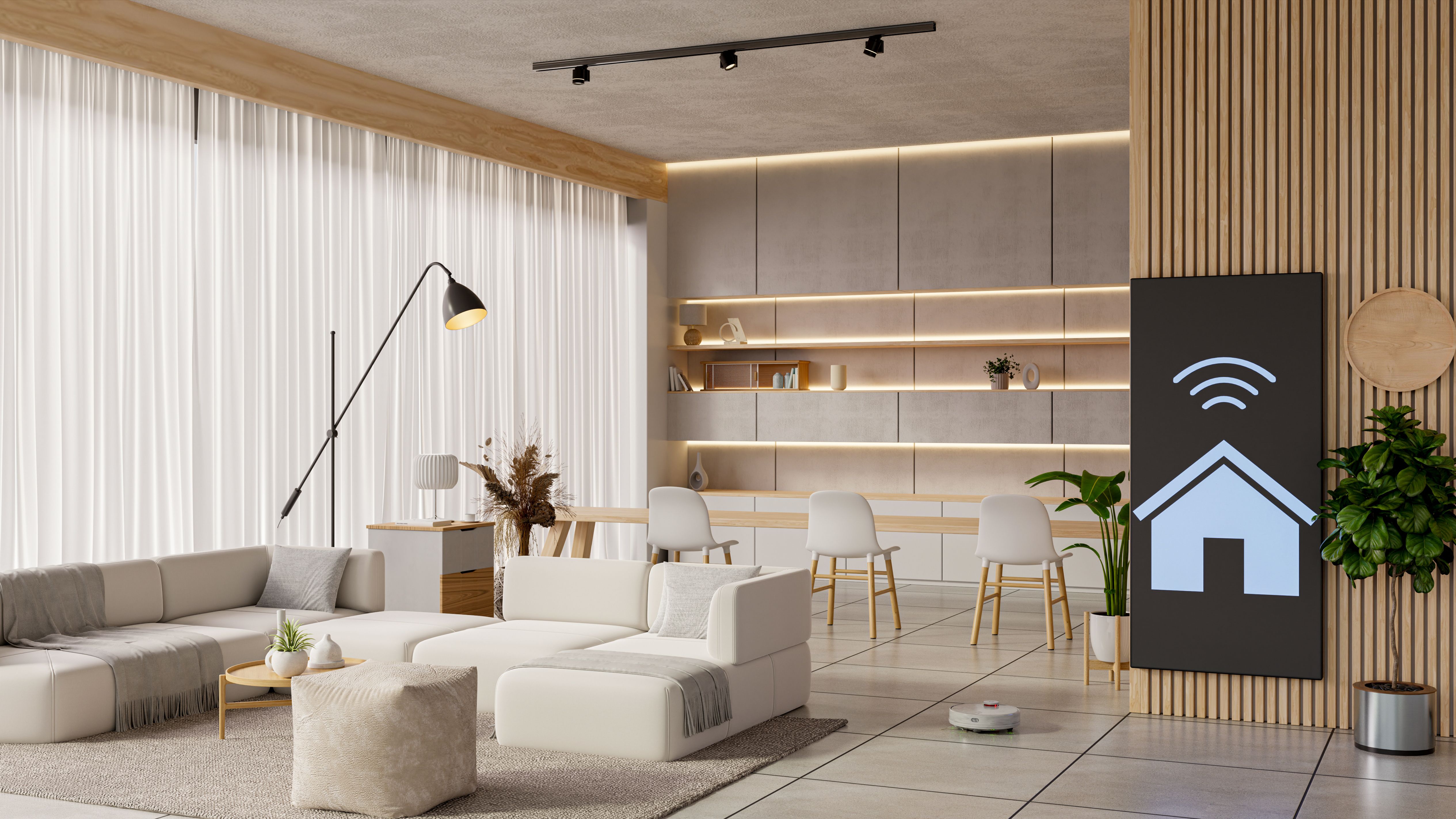
With the rise of smart homes, integrating smart glass into home automation systems is becoming increasingly popular. Homeowners can control the glass via smartphones or voice-activated devices, adding convenience and sophistication to their living spaces.
Future Prospects and Innovations
The future of smart glass technology looks promising, with ongoing research and development paving the way for new applications. Innovations such as self-cleaning surfaces and enhanced durability are on the horizon, promising to further enhance the user experience.
As smart glass technology continues to evolve, we can expect to see it play an even more integral role in shaping sustainable and intelligent living environments. This evolution will likely lead to broader adoption across various industries, making smart glass a staple in modern architecture and design.